

Coffee is more than just a morning habit—it’s a global craft shaped by farmers, roasters, baristas, and drinkers who each play a role in the final cup we enjoy.
While many people drink coffee daily, fewer actually pause to understand what goes into it: where it comes from, how it’s processed, what makes one cup taste fruity while another tastes earthy, or why freshness and grind size matter so much.
This guide breaks down the essentials of coffee in a simple, approachable way—covering sourcing, roasting, flavor profiles, brewing basics, and what to look for if you want a consistently better cup at home or in cafés.
From Farm to Cup: Why Sourcing Matters
Every cup of coffee begins far from the café counter, on farms across regions like Africa, Asia, and South America.
One of the most important ideas in modern coffee culture is direct sourcing—where roasters and cafés work closely with farmers rather than relying on multiple middlemen. This approach helps ensure farmers receive fair compensation for their work and strengthens long-term relationships between producers and roasters.
It also improves quality. When coffee is sourced and roasted with care in small batches, it allows for better control over freshness and consistency. Many specialty roasters focus on highlighting the unique characteristics of each origin rather than blending everything into a uniform flavor.
This connection between farmer, roaster, and consumer is what makes specialty coffee so distinct from mass-produced options.
Why Freshness and Roasting Matter So Much
Once coffee is harvested and processed, it is roasted—one of the most critical steps in shaping flavor.
Roasting transforms raw green coffee beans into the aromatic brown beans we recognize. But more importantly, it determines how those beans will taste.
Freshly roasted coffee tends to have a more vibrant and complex flavor profile. Over time, coffee loses its aromatic compounds, which is why packaging and storage matter. Airtight containers and proper sealing help preserve freshness, while pre-ground coffee tends to lose quality much faster than whole beans.
Roasters often work in small batches to maintain quality control and ensure that every roast highlights the natural characteristics of the bean.
Understanding Coffee Origins and Flavor Profiles
One of the most exciting parts of coffee is how much flavor can vary depending on where it comes from.
Different regions produce distinct taste profiles:
African coffees
Often bright and complex, with floral and fruity notes. These coffees can have a wine-like acidity and a lighter body, making them lively and aromatic.
Asian coffees
Typically more earthy and full-bodied, with lower acidity. Flavor notes can include spice, woodiness, and smokiness, creating a deeper and more grounded cup.
South American coffees
Known for balance and smoothness. These beans often feature nutty, chocolate-like flavors with mild acidity, making them approachable and versatile.
Understanding origin helps you choose coffee based on your personal taste preferences rather than guessing.
What Makes Specialty Coffee Different
Not all coffee is created equal.
Specialty coffee refers to beans that score highly in quality evaluations based on aroma, flavor, acidity, and overall balance. These coffees are carefully cultivated, processed, and roasted to highlight their natural characteristics.
What sets them apart is traceability. In specialty coffee, every step—from farm to cup—can often be tracked. This level of transparency helps consumers understand exactly what they are drinking and supports ethical production practices.
In short, specialty coffee is about intention: every stage is treated as a craft, not just a commodity.
The Importance of Grind Size
One of the most overlooked aspects of brewing coffee at home is grind size, yet it has a major impact on flavor.
Grinding coffee too fine or too coarse can completely change the taste of your cup. That’s because grind size controls how quickly water extracts flavor from the grounds.
- Fine grind: Used for espresso, produces strong, concentrated flavor
- Medium grind: Ideal for drip coffee makers
- Coarse grind: Best for French press or cold brew
If the grind is too fine for a slow brewing method, the coffee can taste bitter. If it’s too coarse for a fast method, the result may be weak or under-extracted.
Getting the grind right is one of the easiest ways to instantly improve home brewing.
Brewing Methods and How They Change Flavor
There are many ways to brew coffee, and each method creates a different experience.
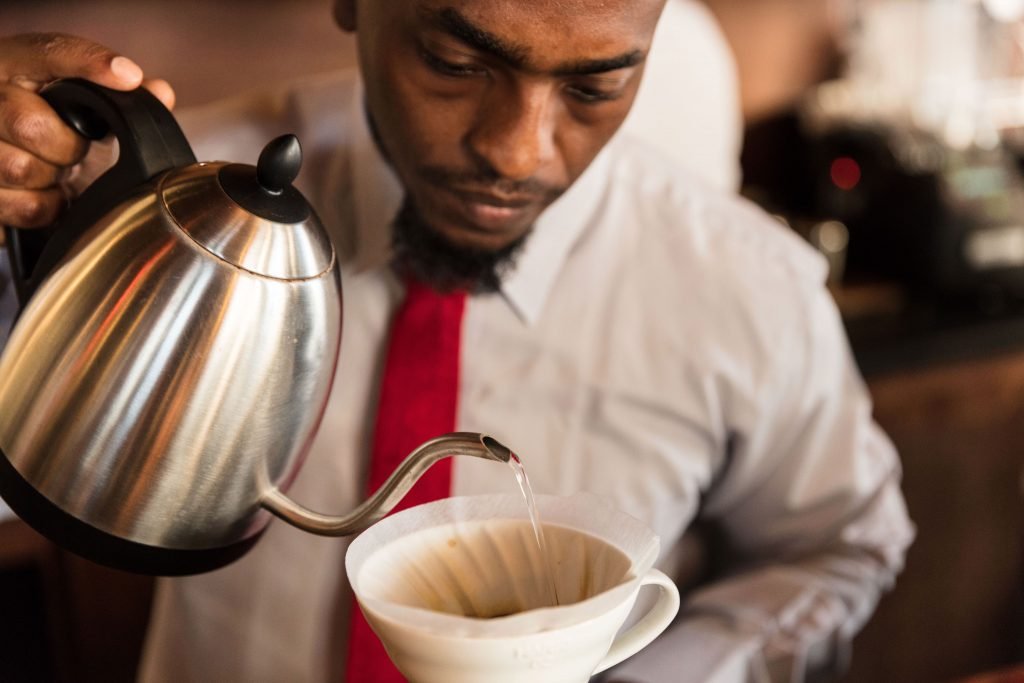
Drip coffee makers are the most common, offering convenience and consistency. French press produces a fuller-bodied cup due to longer immersion. Espresso delivers intensity and richness in a concentrated form. Pour-over methods highlight clarity and nuance, allowing subtle flavor notes to shine.
Even cold brew, which steeps coffee in cold water over time, creates a smoother, less acidic profile.
The key takeaway is that brewing method is not just about convenience—it directly influences taste, strength, and texture.
What to Look for in Good Coffee
When choosing coffee, a few simple factors can help guide better decisions:
1. Roast date matters
Freshly roasted coffee always tastes better than older beans.
2. Packaging is key
Airtight packaging helps preserve aroma and flavor.
3. Whole beans are better than pre-ground
Grinding just before brewing gives the freshest result.
4. Flavor preference depends on origin
Whether you enjoy fruity, nutty, or chocolate-like notes, origin plays a big role in taste.
Understanding these basics can dramatically improve your coffee experience at home.
The Future of Coffee Culture
Coffee is constantly evolving. Modern trends point toward more transparency, sustainability, and innovation in how coffee is produced and consumed.
There is growing interest in traceability, ethical sourcing, and experimental brewing methods. At the same time, technology is helping refine roasting and extraction techniques to enhance flavor precision.
We are also seeing more creative coffee drinks—blending traditional brewing with modern mixology concepts, including coffee-based mocktails and flavor-forward beverages.
Coffee is no longer just a drink. It is becoming an experience.
Final Thoughts
Coffee may seem simple on the surface, but behind every cup is a complex journey involving farming, roasting, brewing, and craftsmanship.
Understanding the basics—origin, roasting, grind size, and brewing methods—can completely change how you experience coffee. It shifts drinking coffee from a routine habit into something more intentional and enjoyable.
At its core, great coffee is about balance: between science and art, tradition and innovation, simplicity and complexity.
And once you start paying attention to those details, every cup tells a much richer story.